- Home Repairs
- Roofing
- Windows
- Siding
- Gutters
- Doors
- Baths
- Financing
- Specials
- Careers - We're Hiring!
- Recent Projects
- Do It Yourself
- Pay Bill
- Customer Service
- Live Chat
- Refer A Friend
- Online Estimate

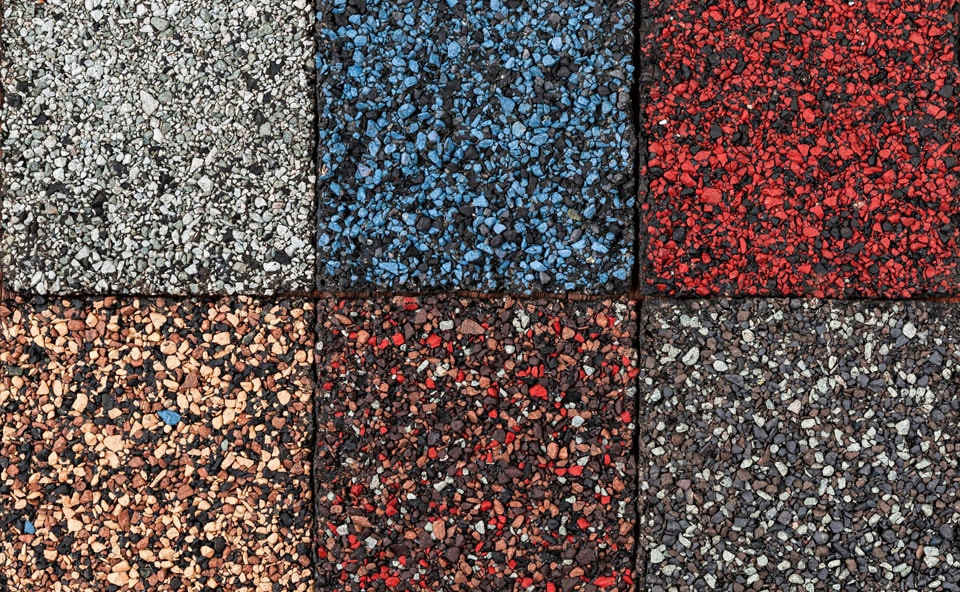
Choosing the right shingle color for your roof is one of the most important decisions you’ll make during a roof replacement project. Your roof accounts for a significant portion of your home’s exterior appearance, and the color you select can dramatically impact curb appeal, energy efficiency, and even resale value. Because a new roof is a long-term investment that can last 20 to 50 years depending on the materials used, it’s worth taking the time to carefully evaluate your options before making a final decision.
The best shingle color is one that complements your home’s architecture, coordinates with existing exterior features, and continues to look attractive for years to come. If you’re unsure where to begin, these tips can help you select a shingle color that enhances the beauty and value of your home.
Roofing trends come and go, but your roof will likely remain in place for decades. While bold and unique colors may seem appealing today, they may not have the same appeal in the future.
Neutral and classic colors such as charcoal gray, weathered wood, slate, black, and various shades of brown remain popular because they work well with a wide range of architectural styles and exterior finishes. These colors offer broad appeal and help maintain your home’s resale value if you decide to sell in the future.
That doesn’t mean you have to avoid all personality and style. Modern roofing manufacturers offer dimensional shingles with subtle color variations that add depth and character while still maintaining a timeless appearance.
Different architectural styles often look best with specific roofing colors. A Colonial-style home may look elegant with dark gray or black shingles, while a rustic farmhouse might benefit from weathered wood tones. Craftsman homes frequently pair well with earthy browns and muted greens, while contemporary homes often feature charcoal or sleek black roofing materials.
Taking your home’s architectural design into account can help narrow your choices and ensure your new roof complements the overall character of the property.
The shade of your shingles affects more than appearance. It can also influence your home’s energy efficiency.
Dark-colored shingles absorb more sunlight and heat than lighter-colored shingles. In cooler climates, this can provide a small benefit by helping retain heat during colder months. In warmer climates, however, darker roofs can contribute to higher attic temperatures and increased cooling costs.
Lighter-colored shingles reflect more sunlight and may help improve energy efficiency by reducing heat absorption. Colors such as light gray, tan, beige, and certain weathered wood blends can help keep your home cooler during hot summer months.
While energy efficiency is worth considering, aesthetics should remain a primary factor. The goal is to find a color that balances appearance and performance while complementing your home’s exterior.
One of the most common mistakes homeowners make when selecting a roof color is matching shingles to features that can easily be changed, such as shutters, trim, doors, or accent paint colors.
Instead, focus on permanent elements of your home, including:
These features are significantly more expensive and difficult to alter than paint colors or shutters. Choosing shingles that coordinate with these permanent materials helps create a cohesive and attractive exterior design.
For example, homes with warm-toned brick often pair beautifully with brown, tan, or weathered wood shingles. Homes with cooler gray stone may look best with charcoal or slate-colored roofing.
Many homeowners assume their roof should perfectly match their siding or brick color. In reality, exact matches can create a flat, monotonous appearance.
Instead, choose complementary colors that provide subtle contrast while still working harmoniously together. A home with beige siding might look beautiful with medium brown shingles, while a gray home may benefit from charcoal shingles that create depth and visual interest.
Complementary colors help define architectural features and create a balanced appearance that feels polished and intentional.
While your home should reflect your personal style, it’s also important to consider the overall appearance of neighboring homes. Selecting a roof color that blends appropriately with surrounding properties can help maintain neighborhood aesthetics and property values.
This doesn’t mean your roof has to look identical to every other home on the block. Rather, aim for a color that complements the area while still allowing your home to stand out in a positive way.
If you live in a community governed by a homeowners association (HOA), be sure to review any roofing color restrictions before making your final selection.
Shingle colors often look very different in a showroom than they do on your roof. Lighting conditions can significantly affect how a color appears.
Before making a decision, obtain physical shingle samples and place them outside against your home’s siding, brick, or stone. Observe them at different times of day and under various weather conditions. This process provides a much more accurate representation of how the finished roof will look once installed.
Look at the samples:
Many modern asphalt shingles feature multiple color tones blended together to create a dimensional appearance. These architectural shingles can add visual depth and make your roof appear more sophisticated than traditional three-tab shingles.
Multi-tone shingles are especially useful when trying to coordinate with homes that feature mixed exterior materials, such as brick combined with siding or stone accents. The subtle color variations help tie different elements together while creating a more premium look.
Charcoal gray, weathered wood, and black remain among the most popular roofing colors because they complement a wide variety of home styles and exterior finishes.
Dark shingles absorb more heat than lighter shingles. While modern attic ventilation systems help reduce the impact, darker roofs generally retain more heat.
Your roof should complement your siding rather than match it exactly. A slight contrast typically creates a more attractive and balanced appearance.
Yes. A new roof in a well-chosen color can significantly improve curb appeal, which may positively influence resale value and buyer interest.
Viewing physical samples on your home and consulting with a roofing professional are the best ways to determine which color will work best with your exterior materials and architectural style.
Selecting the right shingle color can transform the appearance of your home and improve its long-term value. Whether you’re replacing an aging roof or simply looking for a fresh new look, the experienced team at PJ Fitzpatrick can help you explore your options and choose shingles that complement your home perfectly.
Homeowners throughout the Mid-Atlantic trust PJ Fitzpatrick for professional roof replacement services, expert guidance, and high-quality workmanship. Contact PJ Fitzpatrick today at 1-833-526-2888 or reach out online to schedule your roof replacement consultation and discuss the best shingle color for your home.
PJ Fitzpatrick, LLC
Connect With Us
Check out our social pages or our reviews page and let us know how we’re doing!
Our Services
Our Latest Blog Post