- Home Repairs
- Roofing
- Windows
- Siding
- Gutters
- Doors
- Baths
- Financing
- Specials
- Careers - We're Hiring!
- Recent Projects
- Do It Yourself
- Pay Bill
- Customer Service
- Live Chat
- Refer A Friend
- Online Estimate


Your exterior doors are more than just an entryway, they are the first line of defense against intruders, harsh weather, and energy loss. Choosing the right door material can dramatically improve both home security and insulation, while also enhancing curb appeal. With a wide variety of options on the market, it’s important to understand the strengths and weaknesses of each type of exterior door material before making a decision.
When choosing an exterior door, consider several key factors. Energy efficiency is important, so look for doors with insulated cores and weatherproofing features that minimize heat transfer. Security features such as reinforced frames, multi-point locks, and impact-resistant cores help protect your home. Durability is also essential. Some materials withstand extreme weather conditions better than others and may require less maintenance over time. Aesthetic appeal matters as well, so select a door material that complements your home’s exterior and allows for customization through color, finish, or glass inserts. By evaluating these elements, homeowners can choose a door that effectively balances security, insulation, durability, and style, ensuring both comfort and long-term energy savings.
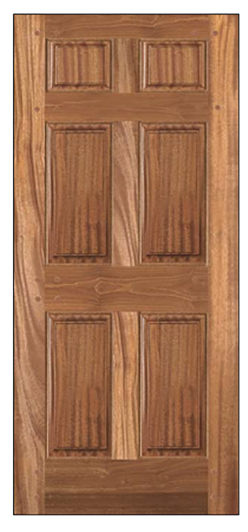 Wood doors are a classic choice, known for their beauty and versatility. They can be solid hardwoods like oak, mahogany, or maple, or engineered options that combine layers for stability.
Security: Solid wood doors provide good security when properly reinforced, especially with a high-quality deadbolt. However, they can be susceptible to warping, cracking, or splitting over time, which can weaken security if not properly maintained.
Insulation: Wood naturally offers decent insulation, and thicker, solid, core wood doors can reduce heat transfer. They can also be painted or stained to add weatherproof protection.
Cons: Wood doors require regular maintenance to prevent rot, moisture damage, and warping. In areas with extreme weather, supplemental insulation or weather stripping may be needed for maximum energy efficiency.
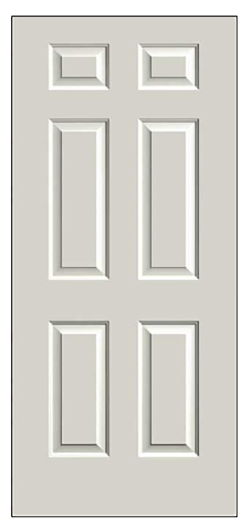 Steel doors are highly durable, secure, and low, maintenance, making them one of the most popular options for homeowners focused on safety.
Security: Steel doors are extremely difficult to break through, especially when reinforced with a steel frame and multi-point locking system. They are resistant to warping, cracking, and splitting, which ensures long, term strength.
Insulation: Most steel doors feature a polyurethane or polystyrene foam core, which provides excellent thermal insulation and helps prevent energy loss. Some steel doors also come with insulated glass inserts for added light without sacrificing performance.
Cons: While steel doors are strong, they can dent upon heavy impact and may be prone to rust if the exterior coating is damaged. Choosing a high, quality finish and performing routine maintenance can prolong their life.
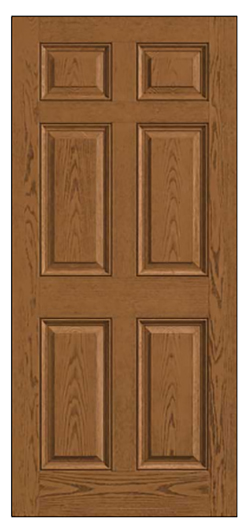 Fiberglass doors have become increasingly popular due to their versatility, durability, and energy efficiency. They can mimic the look of wood while requiring less maintenance.
Security: Fiberglass doors are tough and resistant to dents and scratches. Reinforced fiberglass doors, especially those with steel cores, offer security levels comparable to steel doors.
Insulation: These doors typically have foam insulation cores that provide superior energy efficiency. They are excellent at keeping heat in during the winter and blocking heat during the summer, helping reduce utility bills.
Cons: Fiberglass doors can be more expensive than steel or wood, but their low maintenance and long lifespan often offset the upfront cost. They also resist moisture and rot, making them ideal for humid or coastal climates.
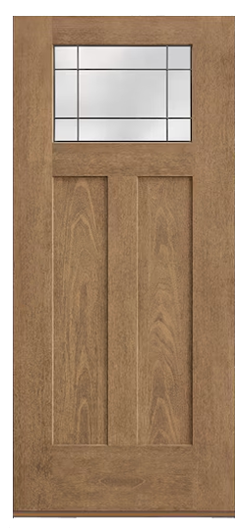 Aluminum and composite doors are less common but still effective options for certain applications.
Security: Aluminum doors are strong but can dent under force. Composite doors, made from a combination of materials like wood fibers, resin, and metal, can provide both durability and security, depending on construction quality.
Insulation: Both aluminum and composite doors can be manufactured with insulated cores to reduce energy loss. High-quality composite doors often outperform aluminum in terms of thermal efficiency.
Cons: Aluminum doors can feel cold in winter and hot in summer unless they are thermal break doors, which include an insulating barrier. Composite doors are more versatile but can vary widely in quality, so it’s important to choose a reputable manufacturer.
If your exterior doors are outdated, drafty, or no longer provide the security and insulation your home needs, the team at PJ Fitzpatrick can help. Our experienced professionals specialize in high-quality door replacement, guiding you through material choices and installation to ensure a secure, energy-efficient, and attractive result. Contact PJ Fitzpatrick today to schedule a consultation and get a quote for your exterior door replacement.
PJ Fitzpatrick, LLC
Connect With Us
Check out our social pages or our reviews page and let us know how we’re doing!
Our Services
Our Latest Blog Post