- Home Repairs
- Roofing
- Windows
- Siding
- Gutters
- Doors
- Baths
- Financing
- Specials
- Careers - We're Hiring!
- Recent Projects
- Do It Yourself
- Pay Bill
- Customer Service
- Live Chat
- Refer A Friend
- Online Estimate

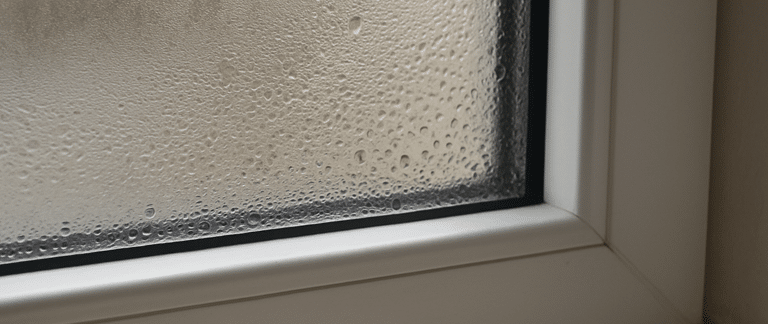
Windows are one of the most noticeable features of a home, allowing natural light in while providing views of the outdoors. Modern double- or triple-pane windows are designed to provide insulation, reduce energy costs, and prevent moisture from entering the home. However, homeowners often notice condensation forming between the panes of glass, which can be frustrating and may signal underlying issues. Understanding why this happens and what steps to take can help protect your windows and maintain a comfortable, energy-efficient home.
Condensation between window panes occurs when moisture enters the sealed space between the glass layers. Unlike condensation on the interior or exterior surfaces, which is often temporary and caused by humidity or temperature differences, condensation between panes indicates a breach in the window seal. Some of the most common causes include:
Most modern windows have airtight seals around the edges of the panes to keep moisture and air out. Over time, these seals can break down due to aging, poor installation, or temperature fluctuations. Once the seal fails, moisture from the outside air can enter the space between the panes, creating fogging or streaking that cannot be wiped away.
Windows expand and contract in response to extreme heat or cold. Over time, repeated expansion and contraction can stress the seals and frames, making them more prone to leaks. Homes in areas with harsh winters or hot summers are especially susceptible to condensation issues.
Even high-quality windows can develop problems if they were improperly installed. If the window frame isn’t level, caulking isn’t applied correctly, or the sealant around the panes is insufficient, moisture may penetrate the space between the glass layers, leading to fogging.
Like many components of a home, windows wear down over time. Older double-pane windows that have been in place for 15–20 years may naturally lose their seal integrity, resulting in condensation and decreased energy efficiency.
While interior humidity usually causes condensation on window surfaces, excessive moisture in the home can accelerate the failure of window seals. Consistently high humidity can penetrate weak seals more quickly, causing permanent fogging between panes.
Physical damage, such as cracks in the glass or frame, can compromise the integrity of the window’s sealed unit. Even minor damage can allow moisture to seep in, resulting in condensation that spreads between the panes.
Condensation between window panes isn’t just unsightly, it can indicate serious problems. Windows with broken seals lose their insulating properties, causing heat loss in winter and heat gain in summer, which can lead to higher energy bills. Moisture trapped between panes can contribute to mold growth, affecting indoor air quality. Fogged or streaked windows reduce the aesthetic appeal of your home and can signal poor maintenance to potential buyers. Persistent condensation can also accelerate wear on window frames and sills, leading to more extensive repairs.
If you notice condensation between your window panes, consider the following solutions. Some window manufacturers or repair professionals offer dew-point restoration or seal replacement, which can restore visibility and energy efficiency without full replacement. In cases where seals are beyond repair or windows are very old, replacing the entire window is often the most effective solution. Modern windows provide better insulation and long-lasting performance. While this won’t fix broken seals, reducing indoor humidity with dehumidifiers, proper ventilation, and exhaust fans can slow further damage to your windows and home.
To prevent condensation issues in the future, choose high-quality, energy-efficient windows with durable seals. Ensure windows are professionally installed with proper leveling, caulking, and sealing. Maintain moderate indoor humidity levels, particularly in bathrooms, kitchens, and laundry areas. Inspect your windows periodically for cracks, frame damage, or loose seals. By taking preventive measures, you can extend the life of your windows and maintain both comfort and efficiency in your home.
If you’re experiencing condensation between your window panes, it’s a sign that your windows may need professional attention. The team at PJ Fitzpatrick specializes in window repair and replacement, helping homeowners restore clear, energy-efficient windows that protect your home from moisture and improve comfort. Whether you need seal repair, full window replacement, or expert advice on preventing future issues, PJ Fitzpatrick provides reliable, professional service you can trust. Contact PJ Fitzpatrick today to schedule a consultation and ensure your windows are functioning at their best.
PJ Fitzpatrick, LLC
Connect With Us
Check out our social pages or our reviews page and let us know how we’re doing!
Our Services
Our Latest Blog Post