- Home Repairs
- Roofing
- Windows
- Siding
- Gutters
- Doors
- Baths
- Financing
- Specials
- Careers - We're Hiring!
- Recent Projects
- Do It Yourself
- Pay Bill
- Customer Service
- Live Chat
- Refer A Friend
- Online Estimate

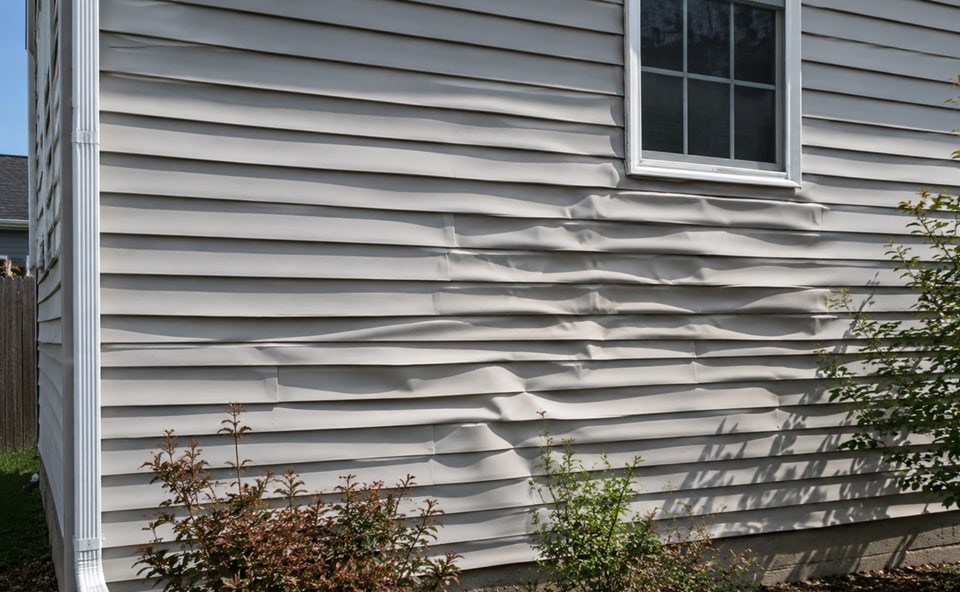
Your home’s siding serves as the first line of defense against the elements while also contributing significantly to curb appeal and energy efficiency. During the hottest months of the year, however, many homeowners notice their siding beginning to buckle, warp, or appear uneven. These issues are more than just cosmetic concerns, they can indicate underlying problems that may lead to moisture intrusion, reduced energy efficiency, and costly repairs if left unaddressed.
Understanding what causes siding buckling and warping during hot weather can help homeowners identify problems early and protect their investment.
All building materials expand and contract as temperatures change. During periods of extreme heat, siding materials absorb solar energy and naturally expand. When temperatures cool, the materials contract.
Most modern siding products are designed to accommodate this movement. However, if the siding is improperly installed, damaged, or exposed to excessive heat, the expansion process can cause visible buckling, warping, or rippling across the exterior of the home.
While vinyl siding is most commonly associated with heat-related distortion, other siding materials can also experience movement and deformation under certain conditions.
One of the leading causes of siding buckling during hot weather is improper installation.
Vinyl siding is designed to “float” slightly on the wall. Installers must leave adequate room for expansion and contraction as temperatures fluctuate throughout the year. If the siding is nailed too tightly, it cannot move freely when it expands in the summer heat. Professional siding installers like those at PJ Fitzpatrick understand manufacturer guidelines for fastening, spacing, and expansion allowances, helping prevent these issues from occurring. As the material pushes against itself with nowhere to go, it may begin to:
Direct sunlight can significantly increase the surface temperature of siding materials. In some cases, siding temperatures may exceed the ambient air temperature by 20 to 40 degrees or more.
South-facing and west-facing walls often receive the most intense afternoon sun exposure, making them particularly susceptible to heat-related movement.
Homes located in areas with long periods of intense summer heat may experience more noticeable siding expansion, especially if the siding color is darker and absorbs more solar radiation.
A less obvious but increasingly common cause of siding warping is reflected sunlight from energy-efficient windows.
Certain low-emissivity (Low-E) windows can reflect concentrated sunlight onto neighboring walls or sections of siding. This reflected heat can create extremely high surface temperatures that exceed what the siding was designed to withstand.
When this occurs, homeowners may notice localized melting, buckling, or distortion in specific areas rather than across the entire exterior.
The problem is often most noticeable during particular times of day when sunlight reflects at specific angles.
While heat is often the visible trigger, moisture problems can contribute to siding deformation.
Water intrusion behind the siding may cause the underlying wall sheathing to swell, warp, or deteriorate. As the wall structure changes shape, the siding attached to it can begin to buckle or appear uneven. If siding buckling is accompanied by stains, mold growth, or soft wall surfaces, a moisture-related issue may be contributing to the problem.
Common sources of moisture intrusion include:
As siding ages, its ability to withstand environmental stresses gradually decreases.
Years of exposure to ultraviolet rays, temperature fluctuations, wind, and moisture can weaken siding materials. Older siding may become more brittle, lose flexibility, and become increasingly vulnerable to warping during periods of extreme heat.
If your siding is approaching the end of its expected lifespan, summer weather may reveal problems that were previously hidden.
Improper attic ventilation can also play a role in siding performance.
When attic temperatures rise excessively, heat can become trapped within wall cavities and roof overhangs. This additional heat exposure may contribute to siding expansion and distortion, particularly near rooflines and upper-story walls.
Proper ventilation helps regulate temperatures throughout the home’s structure and reduces stress on exterior building materials.
Regular inspections and maintenance can help prevent siding problems before they become severe. Early intervention often prevents minor issues from becoming major repair projects.
Homeowners should:
If you’ve noticed buckling, warping, rippling, or other signs of siding damage, it’s important to have the problem professionally evaluated before it leads to more extensive issues. The experienced team at PJ Fitzpatrick provides expert siding inspections, siding repairs, and complete siding replacement services throughout the Delaware Valley. Whether your siding has been damaged by heat, moisture, age, or improper installation, PJ Fitzpatrick can help restore your home’s beauty and protection. Contact PJ Fitzpatrick today to discuss your siding repair or replacement needs and schedule a free estimate.
PJ Fitzpatrick, LLC
Connect With Us
Check out our social pages or our reviews page and let us know how we’re doing!
Our Services
Our Latest Blog Post