- Home Repairs
- Roofing
- Windows
- Siding
- Gutters
- Doors
- Baths
- Financing
- Specials
- Careers - We're Hiring!
- Recent Projects
- Do It Yourself
- Pay Bill
- Customer Service
- Live Chat
- Refer A Friend
- Online Estimate

Proper roof ventilation plays a critical role in protecting your home’s roofing system, improving energy efficiency, and extending the life of your shingles. Unfortunately, many homeowners overlook ventilation until problems begin to appear. When a roof is not properly ventilated, heat and moisture can become trapped in the attic space, leading to premature shingle deterioration, structural damage, and costly repairs. Understanding how improper roof ventilation can shorten the lifespan of your shingles can help you protect one of the most important investments in your home.
Roof ventilation helps regulate temperature and moisture levels inside the attic. During the summer, attics can become extremely hot without proper airflow, sometimes reaching temperatures well above the outdoor air temperature. During winter, warm air from inside the home can rise into the attic and create condensation when it meets cold surfaces. Both situations can damage roofing materials over time.
A well-ventilated roof allows hot air and moisture to escape while pulling in cooler, drier air from outside. This balanced airflow helps maintain the integrity of roofing components, including underlayment, sheathing, and shingles.
One of the biggest threats to shingles is prolonged heat exposure. When hot air becomes trapped in the attic, roof temperatures can rise dramatically. Asphalt shingles are particularly vulnerable because excessive heat accelerates the breakdown of the protective granules on the shingle surface.
Over time, heat damage can cause shingles to become brittle, curl at the edges, and lose their ability to effectively protect against rain and wind. This can significantly reduce the expected lifespan of your roofing system.
Moisture accumulation is another major problem caused by poor ventilation. When warm air rises into the attic during cold weather, it can condense on the underside of the roof deck. This moisture can lead to mold growth, wood rot, and deterioration of roofing materials.
Moisture damage weakens the structural components beneath shingles, making them more susceptible to damage during storms or high winds. Over time, this can result in costly structural repairs.
In colder climates, improper ventilation can contribute to ice dam formation. Ice dams occur when heat escapes through the roof, melting snow that refreezes near the roof edge. As water backs up behind the ice dam, it can seep under shingles and cause leaks inside the home.
Shingle damage caused by repeated freeze-and-thaw cycles can shorten roof life and increase the likelihood of interior water damage.
Many modern shingles rely on adhesive strips to help them stay sealed against wind and rain. When attic temperatures become excessively high, these adhesives can weaken. This may cause shingles to lift or blow off during strong storms, leaving your roof vulnerable to leaks and wind damage.
Homeowners should watch for warning signs that indicate ventilation problems. If you notice any of these symptoms, it may be time to have your roof ventilation system inspected by a professional.
There are several common types of roof ventilation systems used to maintain proper airflow.
Ridge Vents: Installed along the roof peak, ridge vents allow hot air to escape naturally as it rises. These are commonly paired with soffit vents for balanced airflow.
Soffit Vents: Located under the roof eaves, soffit vents allow cool air to enter the attic space. This intake airflow helps push hot air out through exhaust vents.
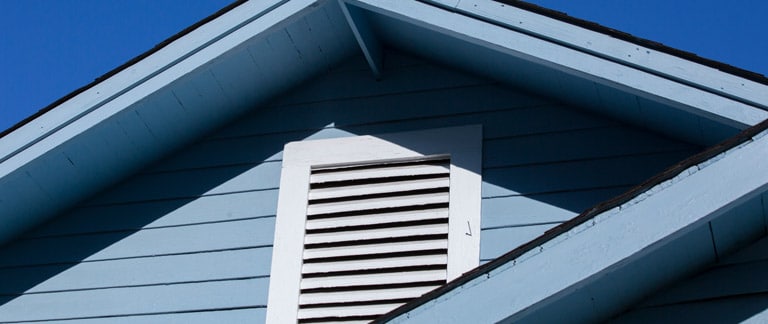
Gable Vents: Gable vents are installed on the exterior walls near the roof peak. While effective in some homes, they may not provide as balanced airflow as ridge and soffit systems.
Powered Attic Fans: Powered ventilation systems can help move large volumes of air, but must be properly installed to avoid creating negative pressure issues in the home.
Homeowners can help extend the life of their shingles by ensuring their roof ventilation system is properly designed and maintained. Regular roof inspections can identify airflow problems before they cause major damage.
Other preventive steps include keeping attic insulation properly installed, sealing air leaks from the living space into the attic, and scheduling routine roofing maintenance checks. Proper ventilation works together with quality roofing materials to provide long-lasting protection from weather exposure and temperature fluctuations.
If you suspect your roof may have ventilation issues, working with experienced roofing professionals can help protect your home from long-term damage. Proper ventilation design requires knowledge of building science, airflow patterns, and roofing system compatibility.
For professional guidance on roof ventilation improvements or other roofing services, consider reaching out to PJ Fitzpatrick. Our skilled roofing specialists can evaluate your home’s ventilation system, help identify potential problem areas, and recommend effective solutions to help extend the life of your roof while keeping your home protected from the elements.
PJ Fitzpatrick, LLC
Connect With Us
Check out our social pages or our reviews page and let us know how we’re doing!
Our Services
Our Latest Blog Post