- Home Repairs
- Roofing
- Windows
- Siding
- Gutters
- Doors
- Baths
- Financing
- Specials
- Careers - We're Hiring!
- Recent Projects
- Do It Yourself
- Pay Bill
- Customer Service
- Live Chat
- Refer A Friend
- Online Estimate

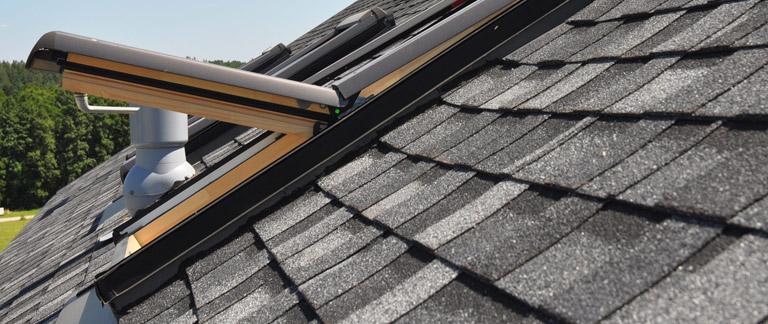
Proper roof flashing is one of the most critical, yet often overlooked, components of a roofing system. When installed correctly, flashing serves as a protective barrier that directs water away from vulnerable areas like chimneys and skylights. Without it, even a high-quality roof can suffer from leaks, structural damage, and costly repairs. Understanding how proper roof flashing works can help homeowners appreciate its importance and recognize when it may need attention.
Roof flashing is typically made from durable, weather-resistant materials such as aluminum, copper, or galvanized steel. It is installed at roof intersections, joints, and penetrations, anywhere water is more likely to seep through. Chimneys and skylights are particularly susceptible to leaks because they interrupt the continuous surface of the roof, creating gaps where water can infiltrate.
Chimneys are one of the most common sources of roof leaks, largely because they require multiple types of flashing to ensure a watertight seal. Proper chimney flashing consists of several components, including step flashing, counter flashing, and sometimes a cricket (a small, peaked structure that diverts water).
Step flashing is installed along the sides of the chimney where it meets the roof, layered with shingles to guide water downward. Counter flashing is embedded into the chimney masonry and overlaps the step flashing, preventing water from sneaking behind it. Together, these elements create a multi-layered defense system that channels water safely away from the chimney.
When flashing is improperly installed or deteriorates over time, water can seep into the gaps. This can lead to mold growth, rotting wood, damaged insulation, and even interior water stains. Proper flashing eliminates these risks by sealing off entry points and directing water where it belongs, off the roof.
Skylights add natural light and aesthetic appeal to a home, but they also present unique challenges when it comes to waterproofing. Like chimneys, skylights disrupt the roof’s surface and require precise flashing installation to prevent leaks.
Flashing around skylights typically includes a combination of sill flashing at the bottom, step flashing along the sides, and head flashing at the top. Each piece works together to create a continuous path for water to flow around the skylight rather than into it. Many modern skylights come with pre-fabricated flashing kits designed to integrate seamlessly with roofing materials, but proper installation is still essential.
If skylight flashing is missing, damaged, or poorly installed, water can easily pool around the edges and find its way inside. Over time, this can cause significant damage to drywall, ceilings, and even electrical systems. Proper flashing ensures that water is effectively diverted, protecting both the skylight and the surrounding roof structure.
Investing in proper roof flashing offers several long-term benefits. First and foremost, it prevents water intrusion, which is one of the leading causes of roof failure. By keeping moisture out, flashing helps preserve the integrity of the roof deck, insulation, and interior spaces.
Well-installed flashing extends the lifespan of your roof. It reduces the likelihood of premature repairs and helps maintain the overall performance of roofing materials. This not only saves money in the long run but also provides peace of mind during heavy rain or snow.
Routine inspections are key to ensuring flashing remains in good condition. Over time, flashing can corrode, loosen, or become damaged due to weather exposure. Catching these issues early can prevent minor problems from turning into major repairs.
Proper roof flashing is not a DIY-friendly task, it requires precision, experience, and an understanding of how different roofing components work together. If you suspect issues with flashing around your chimney or skylight, it’s important to act quickly to avoid further damage.
For professional roof inspections and reliable repairs, contact PJ Fitzpatrick. Our experienced team can assess your flashing, identify problem areas, and provide high-quality solutions to keep your home protected from water damage.
PJ Fitzpatrick, LLC
Connect With Us
Check out our social pages or our reviews page and let us know how we’re doing!
Our Services
Our Latest Blog Post