- Home Repairs
- Roofing
- Windows
- Siding
- Gutters
- Doors
- Baths
- Financing
- Specials
- Careers - We're Hiring!
- Recent Projects
- Do It Yourself
- Pay Bill
- Customer Service
- Live Chat
- Refer A Friend
- Online Estimate

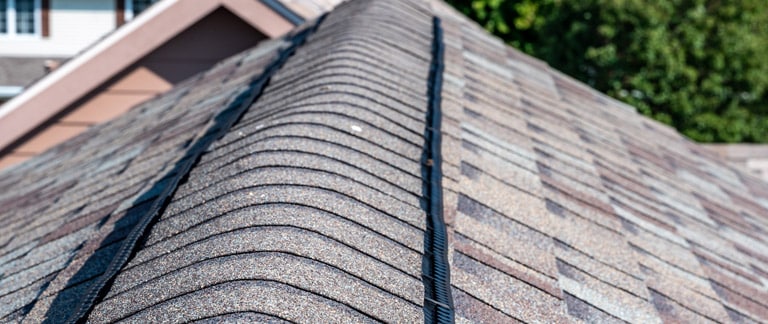
Determining how many roof vents you need is not always a simple matter of counting openings in your roof. Proper attic ventilation depends on several factors, including the size of your attic, the design and pitch of your roof, and the balance between intake and exhaust ventilation. Having the correct number of roof vents helps maintain airflow, reduce moisture buildup, and protect the overall health of your roofing system.
In general, roofing professionals calculate ventilation needs based on attic square footage and building standards. A common rule is to provide 1 square foot of ventilation for every 300 square feet of attic floor space when a vapor barrier is present. Without a vapor barrier, homes typically require 1 square foot of ventilation for every 150 square feet of attic space to ensure adequate airflow.
Roof ventilation plays a major role in protecting both your roof and your home. Without proper airflow, heat and moisture can become trapped in the attic, leading to costly problems over time. Your roof system needs consistent ventilation to function efficiently and maintain structural integrity.
One of the biggest concerns with poor attic ventilation is moisture accumulation. Warm, humid air trapped inside the attic can create condensation, which may damage wood framing and insulation. Over time, this moisture can contribute to mold growth, mildew, and even wood rot.
Roof vents also help regulate attic temperatures throughout the year. During summer, proper ventilation reduces excessive heat buildup, helping your cooling system work more efficiently and lowering energy strain. In colder months, balanced airflow helps prevent temperature fluctuations that can contribute to ice dam formation, a common cause of roof damage during winter.
When your attic remains properly ventilated, your roof materials are exposed to less thermal stress, which may help extend the lifespan of shingles and other roofing components.
Roof ventilation systems come in several styles, each serving a specific purpose. Some vents bring fresh air into the attic, while others allow hot, stale air to escape.
Installed along the peak of the roof, ridge vents are designed to release warm air that rises naturally through the attic. Because they run continuously across the roofline, they provide consistent exhaust ventilation while blending seamlessly with the roof’s appearance.
Positioned beneath the roof’s overhang, soffit vents are one of the most important intake ventilation components. These vents draw cooler outside air into the attic, helping maintain steady airflow throughout the space.
Gable vents are commonly installed on the exterior walls near the roof peak. Often decorative in appearance, they can be square, rectangular, or triangular and help improve cross-ventilation in certain attic layouts.
Turbine vents extend above the roofline and spin with the wind to pull hot air from the attic. Their movement creates suction that improves attic ventilation, particularly in windy conditions.
Some homes benefit from powered ventilation systems, including electric or solar-powered roof vents and attic fans. These systems actively remove hot air from the attic and may be useful in homes with limited natural ventilation.
Roof ventilation is about more than square footage alone. The size, placement, and type of roof vents all influence how effectively air moves through your attic. Roof vents should be distributed evenly across the roofing system to create balanced circulation. Ideally, your home should maintain a 50/50 balance between intake and exhaust ventilation, allowing fresh air to enter while warm, humid air exits efficiently.
The slope and structure of your roof can also impact ventilation requirements. Steeper roofs often create more attic volume, which may increase the need for additional airflow. Local building codes may further define the amount of ventilation necessary based on your attic’s Net Free Area (NFA), which measures the actual unobstructed space available for air movement through vents.
If you’re unsure how many roof vents your home needs, the roofing professionals at PJ Fitzpatrick can assess your attic and roofing system to recommend the right ventilation setup for long-term performance and protection.
Roof ventilation should be carefully planned to ensure the right balance between intake and exhaust airflow. Improperly installed or insufficient vents can reduce efficiency and contribute to moisture or temperature problems inside your attic.
If you’re questioning how many roof vents you need, a professional inspection can provide clear answers. The experienced roofing team at PJ Fitzpatrick can evaluate your attic ventilation system, identify problem areas, and recommend improvements that help protect your roof, improve efficiency, and keep your home comfortable year-round.
PJ Fitzpatrick, LLC
21 Industrial Blvd. New Castle, DE 19720
6380 Flank Dr. #600 Harrisburg, PA 17112
141 Delta Dr. Suite D Pittsburgh, PA 15238
1000 Prime Place. Hauppauge, NY 11788
2 Cranberry Rd. #A5 Parsippany, NJ 07054
5061 Howerton Way. Suite L Bowie, MD 20715
10189 Maple Leaf Ct. Ashland, VA 23005
2551 Eltham Ave. Suite L Norfolk, VA 23513
8407 Firebird Dr. Ste 200, Fairfield, OH 45011
24181 State Hwy 49 Unit C, Richfield, NC 28137
140 Corporate Drive, Spartanburg, SC 29303
Connect With Us
Check out our social pages or our reviews page and let us know how we’re doing!
Our Services
Our Latest Blog Post