- Home Repairs
- Roofing
- Windows
- Siding
- Gutters
- Doors
- Baths
- Financing
- Specials
- Careers - We're Hiring!
- Recent Projects
- Do It Yourself
- Pay Bill
- Customer Service
- Live Chat
- Refer A Friend
- Online Estimate

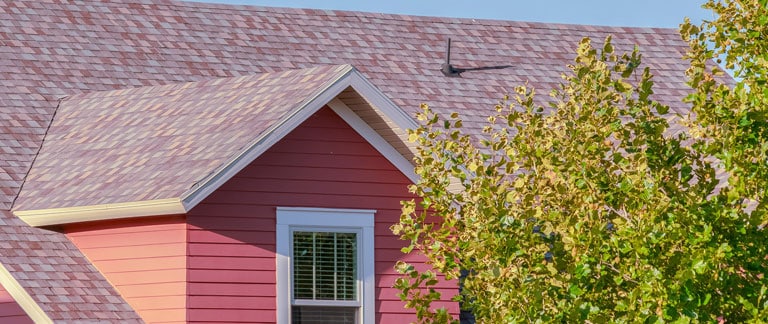
The color of your roof does more than define your home’s appearance, it plays a significant role in how much heat your house absorbs and how hard your cooling system has to work. For homeowners looking to improve energy efficiency and reduce utility bills, understanding the relationship between roof color, heat absorption, and indoor comfort is essential.
Roof color directly influences how much solar radiation your home absorbs. Dark-colored roofs, such as black, dark gray, or deep brown, absorb more sunlight because they retain a higher percentage of the sun’s energy. This absorbed heat transfers into the attic and, eventually, into your living space.
In contrast, light-colored roofs, like white, beige, or light gray, reflect more sunlight away from the home. This reflective property helps keep the roof surface cooler, reducing the amount of heat that penetrates into the interior.
On a hot summer day, the temperature difference between a dark roof and a light roof can be significant. Dark roofs can reach temperatures of 150°F or more, while lighter roofs may stay 20–40 degrees cooler under the same conditions. That difference has a direct impact on your home’s internal temperature.
When your roof absorbs more heat, your air conditioning system has to work harder to maintain a comfortable indoor temperature. This increased workload leads to higher energy consumption and, ultimately, higher cooling costs.
Homes with dark roofs in warm or sunny climates often experience increased cooling demands during the summer months. Over time, this can add up to substantial energy expenses. On the other hand, homes with lighter or reflective roofing materials tend to stay cooler naturally, reducing the strain on HVAC systems and lowering monthly utility bills.
Even in moderate climates, roof color can still make a noticeable difference. During peak summer periods, a cooler roof can help stabilize indoor temperatures and improve overall comfort.
Modern roofing options have evolved beyond simple color choices. Many manufacturers now offer “cool roof” materials designed to reflect more sunlight and absorb less heat, regardless of their color. These products use advanced coatings and reflective granules to enhance solar reflectance.
This means homeowners don’t have to sacrifice aesthetics for efficiency. Even darker-colored shingles can be engineered to reflect more heat than traditional materials, providing a balance between style and performance.
Cool roofs can also contribute to environmental benefits by reducing the urban heat island effect, where densely built areas experience higher temperatures due to heat-absorbing surfaces.
While color is important, it’s not the only factor affecting heat absorption and cooling costs. Proper attic insulation and ventilation play a crucial role in regulating indoor temperatures. Without adequate ventilation, even a light-colored roof can trap heat inside the attic.
Roofing material also matters. Metal roofs, for example, are highly reflective by nature, while asphalt shingles vary depending on their composition and coatings. Combining the right material with an energy-efficient color choice can maximize your home’s performance.
When selecting a roof color, consider your local climate, energy goals, and aesthetic preferences. In warmer regions, lighter colors or cool roofing materials are typically the best choice for reducing heat absorption and lowering cooling costs. In colder climates, darker roofs may offer a slight advantage by retaining heat during winter, but this benefit is often outweighed by summer cooling demands in many parts of the country.
It’s also worth considering how your roof color complements your home’s exterior design. Fortunately, today’s roofing options offer a wide range of shades and styles that can meet both visual and functional needs.
If your current roof is contributing to high energy bills or inconsistent indoor temperatures, it may be time to consider a replacement. Choosing the right color and materials can make a noticeable difference in your home’s comfort and efficiency.
For expert guidance and a professional assessment, contact PJ Fitzpatrick for a roof replacement quote. Our team can help you select the ideal roofing solution to enhance your home’s energy performance while improving its overall appearance.
PJ Fitzpatrick, LLC
Connect With Us
Check out our social pages or our reviews page and let us know how we’re doing!
Our Services
Our Latest Blog Post