- Home Repairs
- Roofing
- Windows
- Siding
- Gutters
- Doors
- Baths
- Financing
- Specials
- Careers - We're Hiring!
- Recent Projects
- Do It Yourself
- Pay Bill
- Customer Service
- Live Chat
- Refer A Friend
- Online Estimate

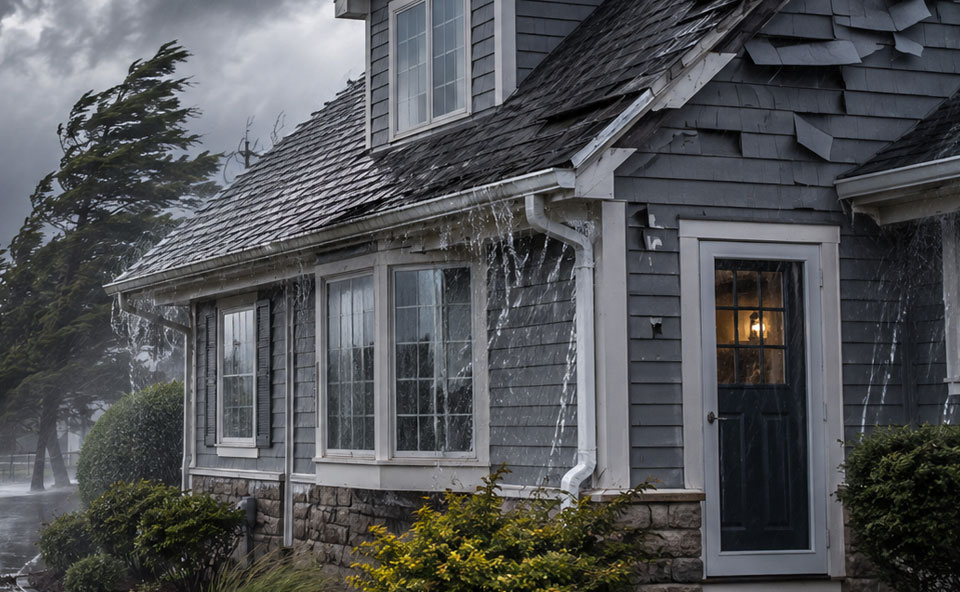
As fall approaches, forecasters are already flagging an active nor’easter risk for the East Coast this year, and for Mid-Atlantic homeowners that matters more than it might sound. Although it’s common to believe that means there’s an increased chance for blizzards, this year’s nor’easters are just as likely to bring heavy rain and high winds.
Nor’easters are defined by their coastal track and wind direction, not by the kind of precipitation they produce, unlike a snowstorm which is defined purely by snow accumulation. Named for their northeast winds, these storms move roughly from Georgia to New Jersey and up toward New England, usually hitting the I-95 corridor the hardest.
In past years, nor’easters have blanketed the East Coast in snow, but NOAA has confirmed the warmer El Niño conditions are now in place, with high confidence they’ll continue through this winter. So, without the certainty of sustained cold air, this season’s nor’easters are more likely to bring rain and high wind rather than heavy snow accumulation.
Understanding the impacts of both kinds of nor’easters, rain and snow, can make all the difference when assessing your home for the season ahead.
Nearly every part of your home’s exterior takes a hit by a rain-driven nor’easter, specifically due to its gale-force winds and the storm’s slow-moving but intense nature.
While this year’s nor’easters are more likely to bring rain and wind than snow, homeowners shouldn’t rule out a heavier, snow-loaded storm entirely. El Nino influences the odds, but it doesn’t guarantee the outcome.
Although less-likely this year, a snow-heavy storm poses a different kind of threat; one that builds gradually as accumulated snow adds weight and, later, moisture as it melts.
Whichever form this year’s nor’easters take, the key takeaway is the same: your home’s exterior needs to be ready for both wind-driven rain as well as the lingering effects of snow. Knowing which threat is more likely this season helps you know where to focus your precautionary efforts first.
The best defense is catching weak points before a storm finds them. A professional inspection can identify small vulnerabilities like a slightly lifted shingle, a gap behind a siding panel, or a seal that’s starting to wear. Catching these issues now, while the weather is still calm, is far easier and less costly than emergency repairs mid-storm or after water has already gotten in.
If you want to understand snow-specific risks and steps you can take to protect your home, check out these blog posts:
Schedule your free inspection and take advantage of $100 off repair services when you book before the end of the month.
PJ Fitzpatrick, LLC
Connect With Us
Check out our social pages or our reviews page and let us know how we’re doing!
Our Services
Our Latest Blog Post