Extreme temperature swings, from freezing winter nights to scorching summer days, can take a serious toll on your home’s exterior. Windows, doors, and gutters are particularly vulnerable to damage caused by expansion and contraction, water intrusion, and ice buildup. Preparing your home exterior for these conditions not only protects your property but also improves energy efficiency and extends the lifespan of your materials.
By taking a proactive approach, homeowners can minimize costly repairs, maintain comfort indoors, and ensure that the exterior remains in top condition regardless of the weather.
Why Extreme Temperature Swings Affect Your Home
Rapid changes in temperature cause materials like wood, vinyl, aluminum, and metal to expand and contract. Over time, this movement can lead to cracks in caulking, gaps around windows and doors, sagging gutters, and even structural damage. Fluctuating temperatures can worsen ice dams in winter or accelerate heat damage to siding and trim in summer. Preparing your home for these swings helps prevent moisture intrusion, drafty windows and doors, and costly exterior repairs.
Step-by-Step Guide To Preparing Your Home’s Exterior For Temperature Swings
Step 1: Inspect Windows and Doors
Start by examining all exterior windows and doors for signs of damage, gaps, or worn weatherstripping. Look for:
- Cracked or missing caulk
- Drafts around frames
- Warping or swelling in wood frames
- Damaged weatherstripping
Step 2: Remove Old Caulk and Seal Gaps
Use a utility knife or scraper to remove any cracked or failing caulk around windows and doors. Clean the area thoroughly and allow it to dry. Apply a continuous bead of exterior-grade caulk to seal gaps and joints. Smooth the bead with a putty knife or your finger to ensure a tight, weatherproof seal.
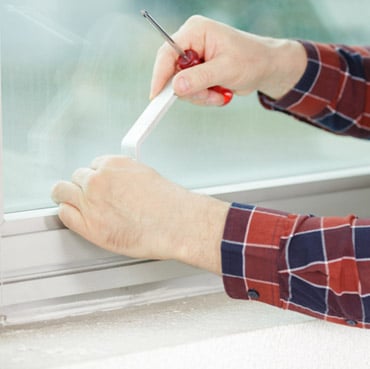
Step 3: Replace Weatherstripping
Old or compressed weatherstripping reduces the ability of doors and windows to block drafts and moisture. Remove damaged strips and install new foam, vinyl, or rubber weatherstripping for a snug fit. Proper weatherstripping reduces heat loss in winter and keeps cool air in during summer.
Step 4: Inspect and Apply Flashing
Flashing prevents water from seeping behind window and door frames. Check for loose or missing flashing and apply self-adhesive flashing tape where needed, especially along the top edges of windows and doors. This step helps protect against leaks during heavy rain or ice melt.
Step 5: Repair Exterior Wood or Trim
Temperature swings can cause wood to crack or warp. Inspect your trim, sills, and fascia boards for damage. Minor cracks can be repaired with exterior wood filler, while more extensive rot may require replacement. Sand repaired areas smooth and seal with paint or protective finish.
Step 6: Clean and Inspect Gutters
Clogged or damaged gutters can exacerbate temperature-related issues. Leaves, debris, and ice dams can cause water overflow, which may damage siding and trim. Use a ladder and cleaning tools to remove debris, check for loose hangers, and ensure downspouts are clear. Consider applying gutter guards for added protection.
Step 7: Seal and Maintain Gutters
Once clean, inspect gutters for cracks, leaks, or sagging. Apply exterior-grade sealant to seal minor leaks and tighten loose fasteners. Properly aligned gutters ensure water flows away from your home, preventing ice buildup in winter and heat-related warping in summer.
Step 8: Test Your Work
After completing all repairs and maintenance, test your windows, doors, and gutters. Spray water with a garden hose around window and door frames to check for leaks, and monitor gutters during the next rainfall to confirm proper flow. Adjust caulking, flashing, or gutter alignment as needed.
Long-Term Maintenance Tips
- Inspect seasonally: Check windows, doors, and gutters before winter and summer to catch minor issues early.
- Clean gutters regularly: Prevent blockages that can lead to water damage or ice dams.
- Maintain caulking and weatherstripping: Reapply as needed to preserve energy efficiency and protect against drafts.
- Monitor exterior paint and trim: Protect wood from moisture and temperature-related wear.