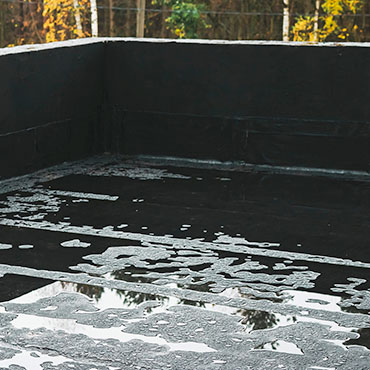
Water pooling on a flat roof is one of the most common and potentially damaging roofing issues homeowners face. Because flat roofs have a very slight slope by design, even minor drainage problems can lead to standing water that accelerates wear, causes leaks, and shortens the lifespan of the roofing system.
Understanding how to fix water pooling on flat roofs is essential for preventing structural damage and maintaining long-term roof performance. In this guide, we’ll walk through the tools, materials, and step-by-step process needed to address pooling water safely and effectively.
If you’ve noticed persistent puddles after rain, learning how to fix water pooling on flat roofs can help you identify whether the issue is minor enough for maintenance or serious enough to require professional repair.
Why Water Pooling Happens on Flat Roofs
Before learning how to fix water pooling on flat roofs, it’s important to understand what causes it. Common reasons include poor or insufficient roof slope (ponding areas), clogged or blocked drains and scuppers, damaged or deteriorated roofing membranes, structural sagging or settling, debris buildup preventing proper water flow, and improper original installation. Even small imperfections can prevent water from draining properly, leading to long-term damage if not addressed.
Step-by-Step: How to Fix Water Pooling on Flat Roofs
Step 1: Inspect the Roof Surface
Start by carefully inspecting the roof after rainfall or by using a garden hose to simulate water flow. Identify areas where water consistently pools.
During this step of how to fix water pooling on flat roofs, mark all low spots, clogged drains, and visible damage areas with chalk or removable markers.
Step 2: Clear Debris and Blockages
Remove leaves, dirt, branches, and other debris from the roof surface. Pay close attention to drains, scuppers, and gutters.
Clogged drainage is one of the most common causes of pooling. Flush drains with water or use a plumbing snake to remove deeper blockages.
Proper cleaning is a critical step in how to fix water pooling on flat roofs, as even minor obstructions can prevent proper drainage.
Step 3: Check and Repair Roof Drains
Inspect all drainage points for damage or wear. If drain covers are broken or missing, replace them immediately.
If water is not flowing properly, ensure the internal drain pipes are clear. Repair or reseal any loose drain connections using roofing sealant or cement.
Step 4: Seal Small Cracks and Leaks
Examine the roof membrane for cracks, bubbles, or punctures. Use a compatible roofing sealant or patch kit to repair small areas of damage.
Apply roofing cement and press patch material firmly over the affected area, ensuring a watertight seal.
This step is essential when learning how to fix water pooling on flat roofs, as leaks often worsen pooling issues by weakening underlying materials.
Step 5: Address Low Spots and Depressions
If water consistently collects in certain areas, you may have low spots in the roof surface. For minor depressions, apply a self-leveling roofing compound designed for flat roofs.
Spread the compound evenly and allow it to cure completely before exposing it to moisture.
Severe structural sagging may require professional repair or roof replacement.
Step 6: Improve Drainage Flow
Once repairs are complete, test water flow again using a hose. Observe whether water moves efficiently toward drains and exits the roof.
If pooling persists, additional drainage solutions such as tapered insulation, added scuppers, or re-sloping may be necessary.
Improving drainage is one of the most important aspects of how to fix water pooling on flat roofs and helps prevent recurring issues.
Step 7: Perform a Final Inspection
After repairs and adjustments, perform a final inspection of the entire roof surface. Ensure all patchwork is sealed, drains are clear, and no new pooling areas remain.
Regular inspections can help catch small issues before they turn into major problems.