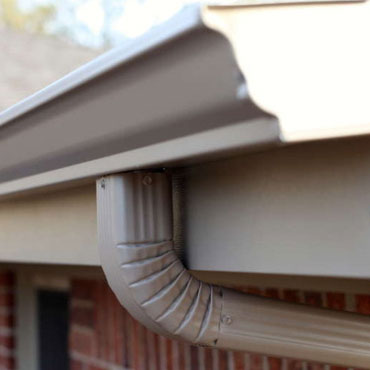
Aluminum gutters play a vital role in protecting your home from water damage by directing rainwater away from your foundation, roofline, and landscaping. However, when gutters become clogged with leaves, debris, or grime, they can overflow, corrode, or pull away from the house. Regular cleaning is essential to keep your aluminum gutters functioning properly and looking great.
Cleaning aluminum gutters is a relatively simple task you can perform with the right tools, a bit of time, and basic safety precautions. Below is a complete guide, including the tools you’ll need and a step-by-step list to help you get the job done effectively.
Step-by-Step Guide To Painting Aluminum Siding
- Set Up Your Ladder Safely
- Place the ladder on level ground and use stabilizers or a standoff to avoid damaging the gutters.
- Wear non-slip shoes and have someone spot you if possible.
- Remove Loose Debris by Hand
- Put on gloves and use a gutter scoop or small trowel to remove leaves, twigs, and dirt from the gutters.
- Drop debris into a bucket or bag to keep your workspace clean.
- Flush the Gutters with Water
- Use a garden hose with a spray nozzle to flush out any remaining dirt and small debris.
- Start at the end opposite the downspout and work toward it.
- Check for clogs by watching water flow through the downspouts.
- Clear the Downspouts
- If water isn’t draining properly, check the downspouts for clogs.
- Use a hose to force water through or a plumber’s snake to dislodge debris.
- Consider installing downspout strainers to prevent future blockages.
- Scrub the Gutter Exteriors
- Mix warm water with mild detergent or dish soap.
- Dip a sponge or soft-bristle brush in the solution and scrub the outside of the gutters to remove dirt and mildew.
- Rinse thoroughly with clean water.
- Remove Oxidation Stains (Optional)
- Mix equal parts white vinegar and water or create a paste with cream of tartar and water.
- Apply to oxidized areas and let sit for 10–15 minutes.
- Scrub gently with a sponge or brush, then rinse with clean water.
- Inspect for Damage
- Look for signs of sagging, loose hangers, holes, or leaks.
- Tighten loose screws or brackets as needed.
- Use gutter sealant to patch small leaks at seams or holes.
- Check the Slope and Water Flow
- Ensure gutters are slightly sloped (about 1/4 inch for every 10 feet) toward the downspouts.
- Adjust brackets or hangers if water pools in any section.
- Dispose of Debris Properly
- Empty the bucket or bag of debris into your yard waste bin or compost pile.
- Rinse tools and clean up the work area.
- Consider Gutter Guards for Future Maintenance
- If cleaning is a frequent chore, you may want to install gutter guards to reduce buildup.
- They help keep large debris out while allowing water to flow freely.
When To Clean Your Gutters
You should clean your gutters at least twice a year—once in the spring and again in the fall. However, if your home is surrounded by trees or you’ve experienced heavy storms, more frequent cleanings may be necessary.